Anxiety & Stress
Anxiety & Stress
Worry, overthinking, work pressure and the physical tension that can build over time.
ArticleIf You’ve Lived With Anxiety for Years, You’re Not BrokenArticleBreaking the Chains of Anxiety
Related Support 
 Talk it through
The Stephen Therapy Blog · Straightforward, Useful Reading
I write about the questions people often bring into a conversation: why the mind keeps repeating a pattern, why sleep becomes difficult, how work pressure follows you home and what may help you begin thinking differently.
You do not have to read everything. Begin with the subject that feels most familiar and take what is useful to you.
“Start with what sounds familiar.”
Sleep · Anxiety · Confidence · Work · RTT
Featured Article
One of the most-read subjects on my website, and one I understand from lived experience, not simply from reading about it.
Difficult managers, constant change, high workloads and the pressure to carry on can follow you long after the working day has ended. This article looks at what that stress can feel like and some practical ways to begin responding to it.
Read the ArticleWhy this subject matters to me
“After 35 years working in Stockport, I understand that work pressure does not always stay at work.”
Popular Articles
These are some of the subjects readers already return to most often.
A closer look at the thoughts, beliefs and repeated patterns that can sit outside our everyday awareness.
Read the Article Sleep & InsomniaWhy trying harder to sleep can sometimes increase the pressure—and how hypnotherapy may form part of a wider approach.
Read the Article Understanding TherapyAn introduction to two different ways of working, where they may overlap and why one approach will not suit everybody.
Read the ArticleBrowse by Subject
Choose the area that comes closest to what you have been thinking about.
Worry, overthinking, work pressure and the physical tension that can build over time.
Self-talk, people-pleasing and learning to recognise that your thoughts and needs matter too.
Sleep pressure, unhelpful routines and what happens when bedtime becomes something you begin to fear.
When you do not quite feel like yourself, everyday habits have changed and getting started feels difficult.
Difficult managers, workplace stress, career decisions and working out what you want to do next.
Plain-English explanations of hypnosis, personalised recordings and the ideas behind the way I work.
Keeping the information useful
Some articles have been online for several years. I review their wording, sources and links over time so that what you read stays accurate and useful.
Where an older article discusses a service I do not currently offer, I will make that clear and signpost readers to appropriate support.
The full list
Newest first. Take whichever one sounds closest to what you have been thinking about.

Living with anxiety for years can feel like a personal failure. It is not. What long-term anxiety does, why it persists and how change can start.

Why men often cope rather than talk, what tends to happen when they say something out loud, and why you need not be at breaking point first.

Written for Men’s Health Week: what shapes men’s mental health, the signs to look for in younger and older men, and where support can be found.

How stress, diet and night-time thinking keep insomnia going, and what hypnosis and RTT therapy do about the patterns holding that cycle in place.
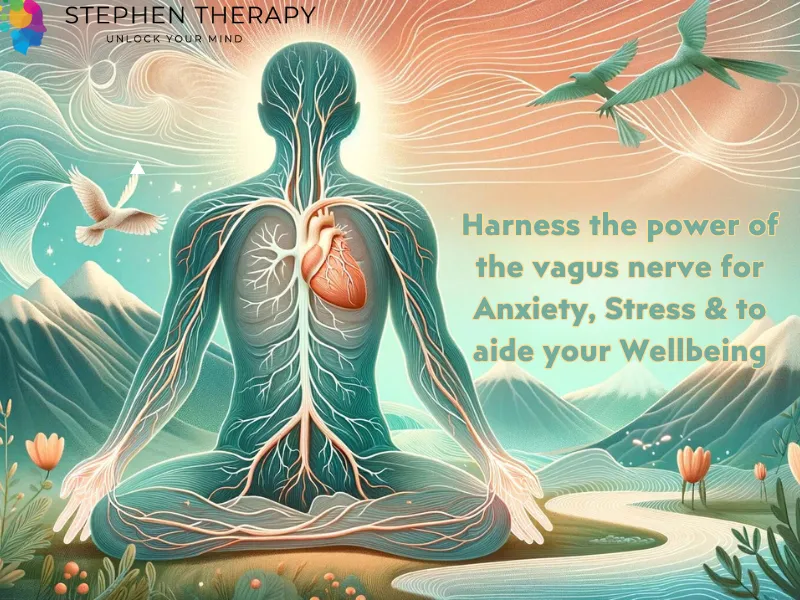
The vagus nerve connects the gut and the brain and plays a part in how the body settles after stress. A plain explanation of what it does and why it matters.
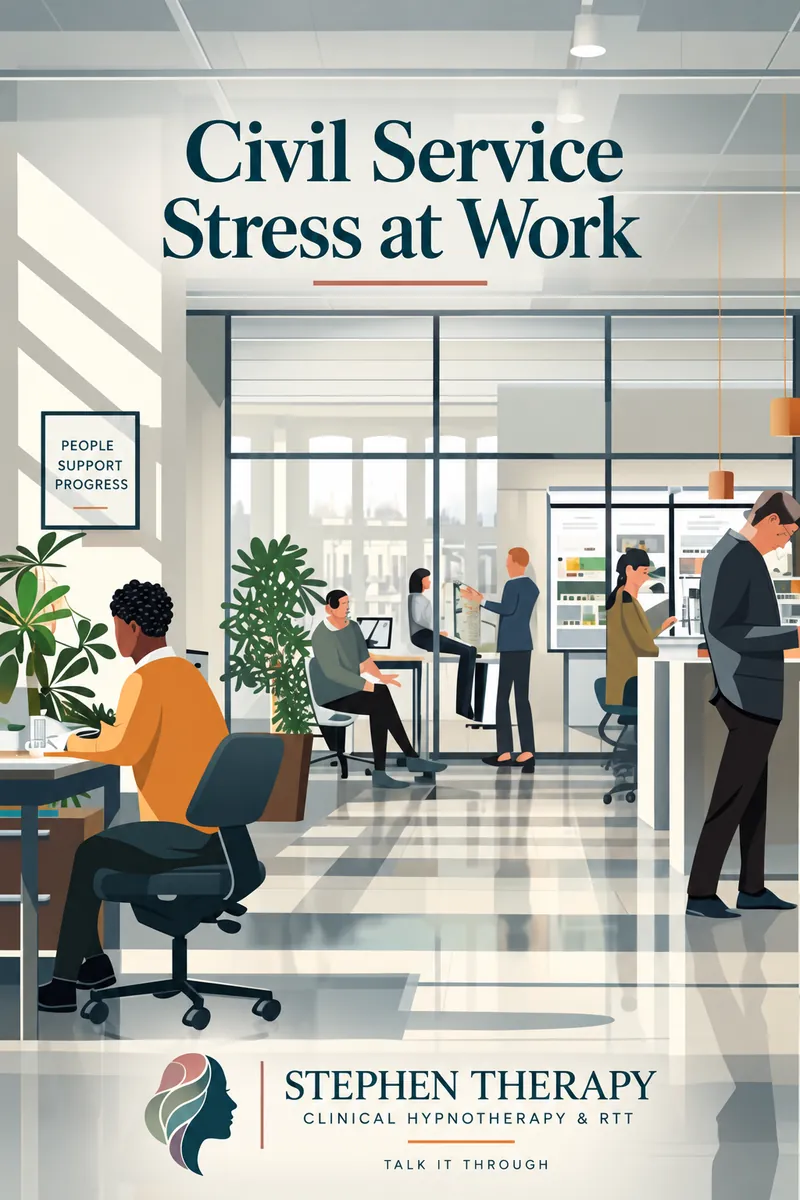
Support available to Civil Service staff under pressure: stress risk assessments, mental health first aiders, occupational health and breaks.
What bottled-up emotions do to you over time, why letting them out can feel risky, and a set of practical steps for starting to release them.
What keeps the smoking habit in place beyond nicotine, the part that mindset plays in it, and the practical steps that hypnotherapy and RTT use.
How affirmations are used in RTT, where they come from within a session, and the part the personalised recording plays in the weeks afterwards.
What the Stoptober challenge asks of you, how hypnosis sits alongside it, and the differences between solution-focused hypnotherapy and RTT.

Where the need for control comes from, what holding on costs over time, and how RTT approaches the fear of letting go, with one client story.

Why self-doubt can persist into middle age, the common myths about self-esteem, and what RTT looks at when confidence has been low for years.

Where chronic stress comes from at work, at home, in lifestyle and in past experiences, and why wellbeing at work matters to employers as well.

What social anxiety disorder is, its causes and its symptoms, self-assessment questions to work through, and the kinds of support available.

What empty nest syndrome can feel like when children leave for university, why it often hits harder than expected, and strategies that help.
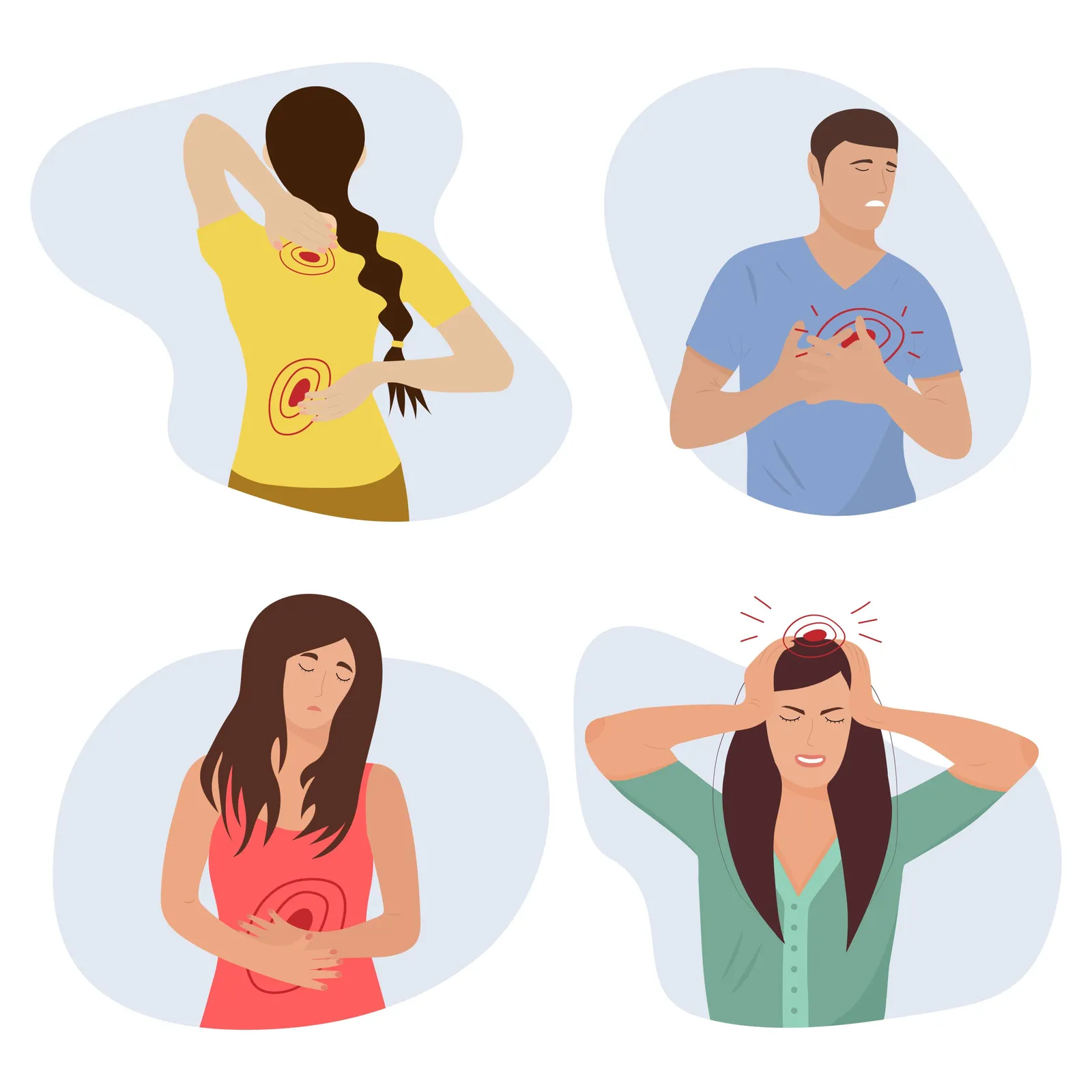
Why pain is more than physical, how the body holds on to it, and the way hypnotherapy and RTT approach pain that has been there for a long time.

What trying to please your boss can cost you in sleep, in relationships and in time at home, and how RTT approaches the habit sitting behind it.

A five-minute approach to meditation for people who feel they have no time for it, the common myths about it, and how to build a daily habit.

Looking for work over 50: how the job market has changed, showing your skills online, networking, and making use of what the gig economy offers.

An introduction to Rapid Transformational Therapy and how it is used with people experiencing low mood and depression, written for anybody considering it.

The differences between a counsellor and an RTT therapist, how each of them works in practice, and what that tends to mean for time and cost.

Practical steps employers can take on staff wellbeing: personal development, work-life balance, boundaries, recognition and keeping people engaged.

Sleep often changes after 50. What tends to shift, why bedtime can become something you dread, and how hypnotherapy fits alongside the rest of your routine.

How anxiety that has lasted for years can trace back to childhood experiences and the beliefs formed at the time, and what an RTT session looks at.

How harsh words at home and bullying at school can still affect adult confidence, and the self-care and therapy options that are open to you now.

The different types of mindset, what shapes the one you have, and practical ways that mindfulness and meditation can be used to begin changing it.

A guide to self-employment in Greater Manchester: testing your idea, the legal side, writing a business plan, finding funding and marketing.

What mindfulness actually involves, how it helps with the feelings tied to anxiety and stress, and simple ways to practise at work and home.

Job-hunting advice for the over 50s: keeping up with technology, networking, freelancing, staying current, and negotiating pay with confidence.

If you feel stuck in your current job or unsure about your long-term goals, mind mapping is a simple visual way to think through what you actually want next.

How the gut and the brain affect one another, what diet has to do with mood, and why the body ends up craving particular foods at particular times.

What the subconscious mind stores, why experiences from childhood keep their hold on adult life, and how RTT therapy sets about working with them.

Why anger and irritability can build in men as they get older, what often sits underneath it, and how hypnotherapy approaches those feelings.

Four things to work on when you never feel good enough: self-compassion, the way you speak to yourself, taking compliments and your happiness.

The principles behind how the mind works, why they keep people stuck in the same loops, and what that means when you want to change a habit.

Fear of flying is a learned response, not a lack of courage. What it can feel like, where it often begins, and how hypnotherapy approaches it.

A light-hearted walk through an ordinary office day back after lockdown, and the ten-minute meditation habit that can break into that cycle.
Reading can be a useful beginning
You do not need to diagnose yourself or choose the perfect service before contacting me. Tell me what has been happening and ask anything you need to ask.
Talk it throughFree 20–30 minute telephone conversation · I reply within 24 hours